 Save to Pinterest
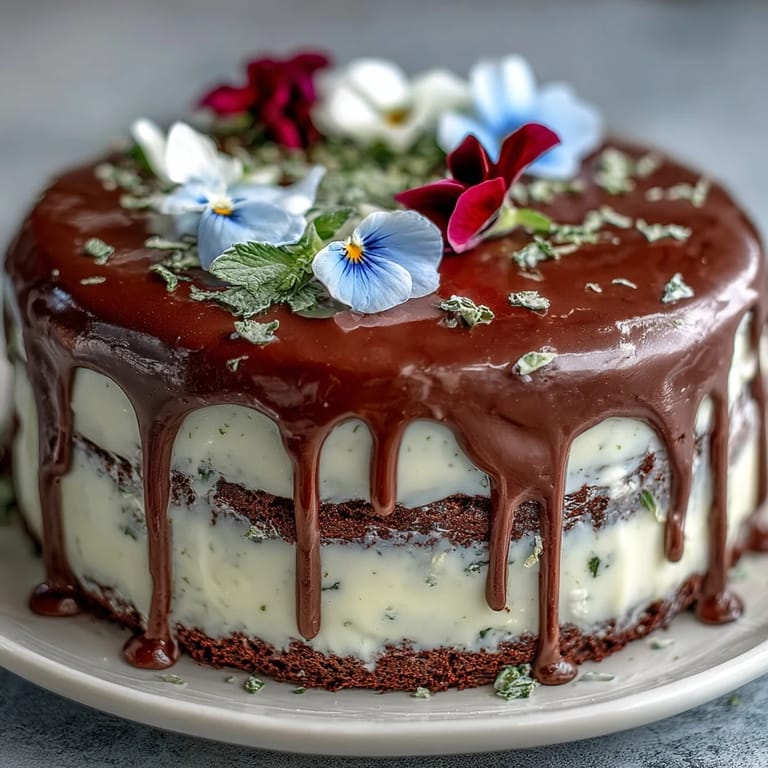
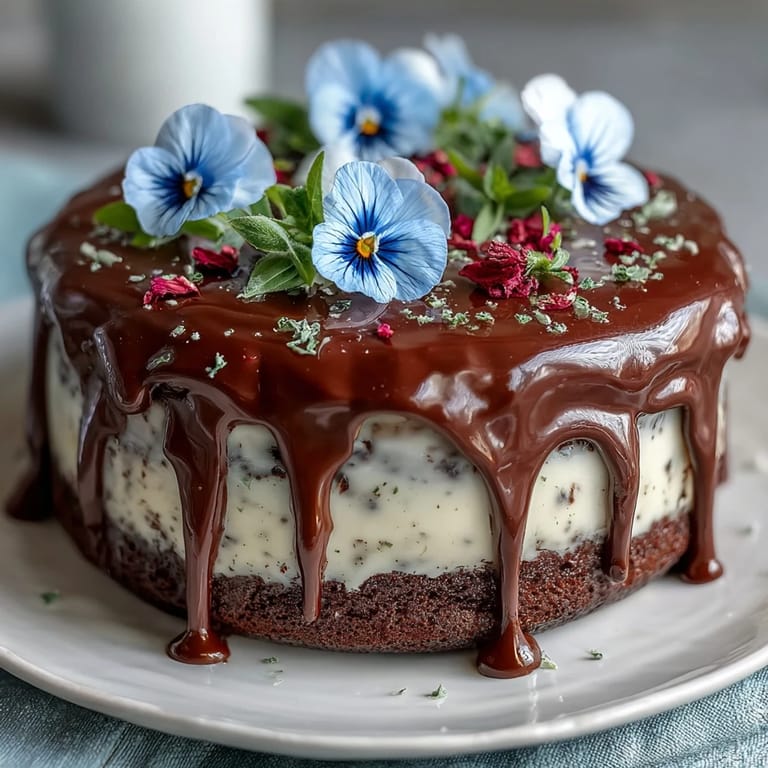
 My sister called me in a panic two hours before her spring garden party, asking if I could somehow transform a basic cake into something that would make her guests gasp. I'd never attempted a floral drip cake before, but standing in my kitchen with lemon zest under my fingernails and three cake pans stacked like a tower, I realized this chaotic moment was exactly how some of the best kitchen adventures begin. The result—a pale yellow masterpiece crowned with edible violets and white chocolate cascading like springtime itself—became the unexpected star of the afternoon. What started as a favor turned into the recipe I now make whenever I want to feel like I'm celebrating something without needing a specific occasion.
I'll never forget the moment my neighbor peered over the fence as I was photographing this cake in my garden, and she genuinely asked where I'd ordered it from. When I told her I'd baked it myself, she didn't believe me until I cut into it and she watched the tender crumb fall away from my knife. That skepticism-turned-amazement is exactly the feeling this cake delivers, and it's worth every careful step.
Ingredients
- All-purpose flour (2 ½ cups): Use the same brand you normally bake with if possible, as weights vary slightly; I learned this lesson after one dense attempt.
- Baking powder (2 ½ tsp): Check that your baking powder isn't stale by mixing a pinch with water—it should fizz vigorously like a tiny science experiment.
- Unsalted butter (1 cup plus 1 cup for frosting): Room temperature is non-negotiable; cold butter won't cream properly and your frosting will be grainy and your cake won't rise as it should.
- Granulated sugar (1 ¾ cups): The creaming time here is crucial, so don't rush it or your cake will be tight and heavy.
- Eggs (4 large, room temperature): Cold eggs shock the batter and prevent proper emulsification; leave them on the counter for 20 minutes while you prep.
- Vanilla extract (1 tbsp): Use real vanilla, not imitation, because the frosting and cake are simple enough that quality ingredients shine through.
- Whole milk (1 cup, room temperature): The alternating method with flour keeps the batter balanced and prevents overworking.
- Powdered sugar (4 cups, sifted): Sifting removes lumps and makes your frosting impossibly smooth rather than gritty.
- Fresh lemon juice (2 tbsp): Bottled juice works in a pinch, but fresh gives a brightness that tastes like spring mornings.
- Lemon zest (2 tsp): Microplane it fresh right before using so the oils are still volatile and fragrant.
- White chocolate chips (1 cup): Quality matters here since it's a visible element; I use Belgian or Swiss if I can find it.
- Heavy cream (⅓ cup): This creates the ganache that gives those picture-perfect drips.
- Edible flowers: Source from a specialty grocer or farmer's market, never from a florist (they're treated with chemicals); violets and pansies have a subtle floral taste that won't overwhelm.
Tired of Takeout? 🥡
Get 10 meals you can make faster than delivery arrives. Seriously.
One email. No spam. Unsubscribe anytime.
Instructions
- Prepare your pans and preheat:
- Set your oven to 350°F and grease those three 8-inch pans generously with butter or baking spray, then line them with parchment cut to fit the bottoms. This takes less than five minutes but saves your cake from sticking and tearing.
- Combine your dry ingredients:
- Whisk flour, baking powder, and salt together in a medium bowl, making sure the baking powder is evenly distributed throughout. This prevents any pockets of baking powder that would create bitter spots in your cake.
- Cream butter and sugar until clouds form:
- Beat softened butter with sugar for 3 to 4 minutes until the mixture looks pale, fluffy, and almost cloud-like in texture. Stop and scrape the bowl halfway through to ensure even incorporation.
- Incorporate eggs with patience:
- Add the eggs one at a time, beating well after each addition:
- This prevents the batter from looking curdled and ensures each egg is fully emulsified before the next arrives. Add vanilla after all eggs are in.
- Build the batter with the alternating method:
- Start with a third of the flour mixture, beating just until combined, then a third of the milk, then another third of flour, another third of milk, and finally the last of the flour. This careful approach prevents overdeveloping the gluten.
- Divide and bake with confidence:
- Split the batter evenly among your three pans (a scale is helpful here) and bake for 25 to 30 minutes until a toothpick comes out clean and the tops spring back when touched. The kitchen will smell like vanilla heaven.
- Cool completely before frosting:
- Let cakes rest in their pans for 10 minutes, then turn them out onto wire racks to cool completely. This usually takes an hour, but don't frost a warm cake or your frosting will melt and slide.
- Make frosting that tastes like bottled sunshine:
- Beat softened butter until creamy, gradually add sifted powdered sugar, then mix in fresh lemon juice, zest, and just enough milk to reach a spreadable consistency. Taste as you go; some lemons are more assertive than others.
- Stack and frost with an artist's touch:
- Place the first cake layer on your serving plate, spread a generous layer of frosting on top, repeat with the second layer, then add the third layer and frost the entire cake—top and sides—with smooth, even strokes. An offset spatula makes this easier, but a regular butter knife works fine too.
- Create white chocolate ganache that drips like art:
- Heat heavy cream until it steams (don't let it boil), pour it over white chocolate pieces in a heatproof bowl, wait 2 minutes for the residual heat to soften the chocolate, then stir until completely smooth. If you want pastel colors, add a tiny drop of gel food coloring here.
- Let the ganache reach the perfect pour consistency:
- Cool the ganache for 5 to 10 minutes until it's thickened enough to cling to the cake edge but still pourable. If it gets too thick, warm it gently for 30 seconds.
- Drip with intentional creativity:
- Using a spoon or squeeze bottle, apply ganache around the top edge of the cake and let it run down the sides naturally. Pour the remaining ganache over the top and spread it gently with an offset spatula, leaving it slightly rustic.
- Finish with flowers and flair:
- Arrange edible flowers on top of the cake, scatter lemon zest, and add sprinkles if you're feeling festive. This is where your cake becomes uniquely yours.
 Save to Pinterest
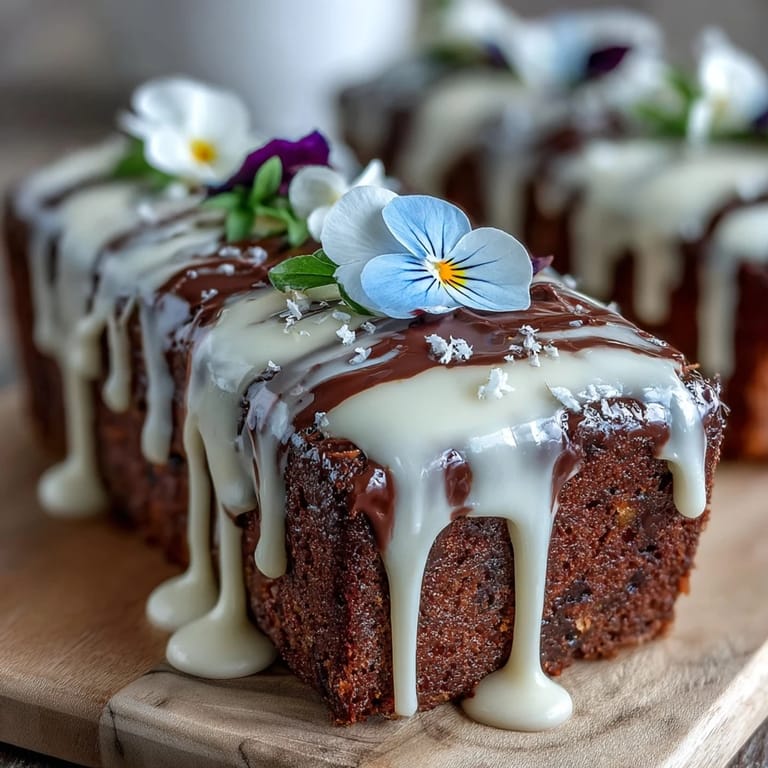
 There's a moment when you step back from this cake—after the flowers are placed and the white chocolate has set—when you suddenly feel proud in a way that baking rarely achieves. It's not just that it looks beautiful; it's that you created something that feels delicate and impressive and entirely from your own hands. That's when this cake becomes more than dessert.
The Lemon Frosting Secret
The ratio of lemon juice to powdered sugar is delicate, and I've learned that fresh lemon zest is what actually makes the frosting taste bright rather than just sweet. One afternoon I tried using bottled lemon extract to save time, and the frosting tasted medicinal and flat. The fresh zest adds volatile oils that make all the difference, so microplane it right before you need it and use it immediately.
Timing and Temperature Matter
I once made this cake in winter when my kitchen was cool and everything took longer to set, and I learned that patience with temperature is as important as measuring ingredients. Letting cakes cool completely prevents frosting from melting, allowing ganache to set properly prevents drips from sliding all the way to the plate, and having room temperature ingredients ensures proper emulsification from the start. The 1 hour 20 minutes total time is accurate if you work methodically, but don't rush the cooling stages.
Customizing Your Cake
This cake is forgiving enough to adapt to your preferences and creative impulses. If lemon feels too bold, you can reduce it slightly, or if you want deeper flavor, add another teaspoon of zest. The white chocolate drip can be tinted with any gel food coloring to match a color scheme, and the edible flowers can be swapped for whatever looks fresh at your market.
- For a gluten-free version, substitute the all-purpose flour with a 1:1 gluten-free blend and expect the texture to be slightly more tender.
- Refrigerate the finished cake for up to 3 days, and bring it to room temperature for 30 minutes before serving so the frosting isn't rock-hard.
- Pair slices with sparkling wine, Earl Grey tea, or even a light dessert wine for an elegant finish that feels seasonal and special.
 Save to Pinterest
 This cake is a celebration in every slice, whether you're making it for a spring party or just because the lemon zest smelled too good to resist. It's the kind of dessert that reminds you why you love to bake.
Common Questions
- → What makes the lemon frosting stand out?
The frosting combines butter, powdered sugar, fresh lemon juice, and zest for a bright, tangy flavor that complements the vanilla sponge beautifully.
- → How do you achieve the white chocolate drip effect?
Heating cream and pouring it over white chocolate chips creates a smooth ganache that’s gently dripped over the cake edges for a glossy finish.
- → Can edible flowers be substituted or omitted?
Yes, you can omit or replace the flowers with sprinkles or zest, but edible flowers add a vibrant, natural decorative touch.
- → What is the best way to store this cake?
Refrigerate up to 3 days, then bring it to room temperature before serving to enjoy optimal texture and flavor.
- → Does this cake accommodate dietary restrictions?
For gluten-free needs, substitute all-purpose flour with a gluten-free blend. The cake is vegetarian but contains dairy and eggs.