 Save to Pinterest
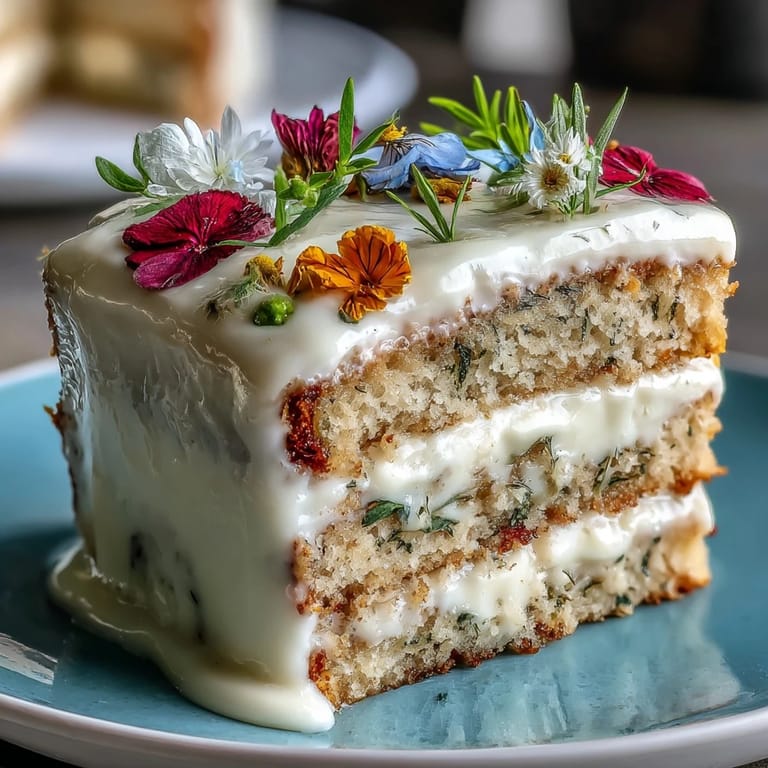
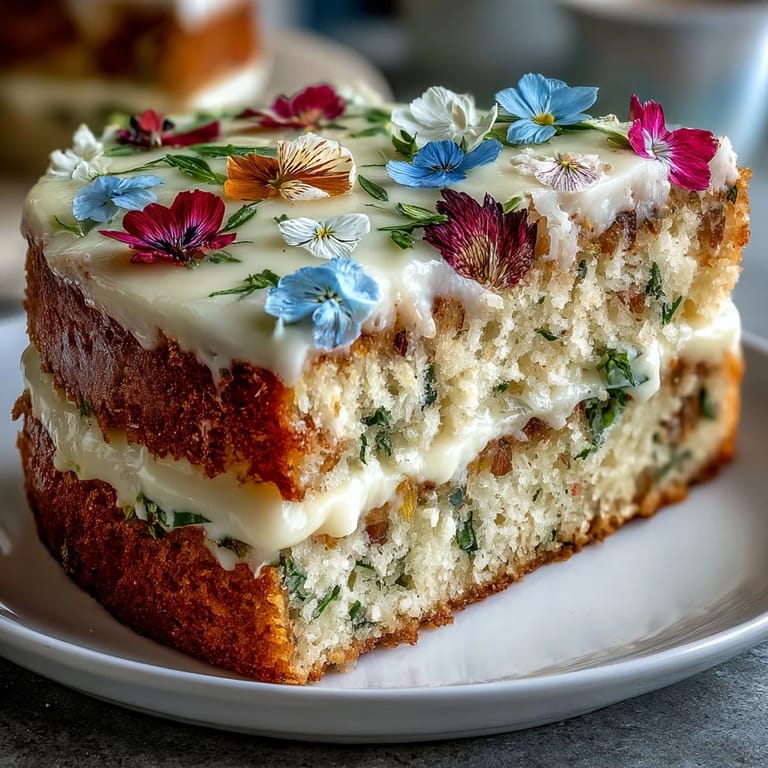
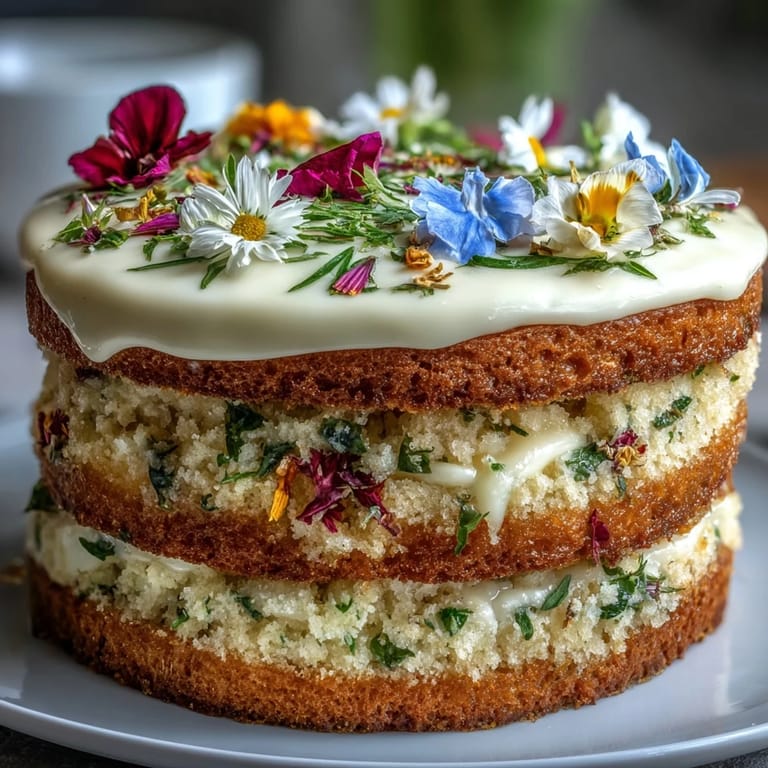
 The aroma of lemon zest and freshly baked cake completely took over my kitchen the first time I decided to press edible flowers onto a sponge. I wasn't sure how the petals would hold up, but their colors made my heart skip a beat. A light rain drizzled outside as I gently pressed pansies and violets into soft whipped cream, and I remember thinking spring doesn't get more beautiful than this. Sometimes, it's the mix of floral and citrus that truly feels like a celebration. Decorating felt less like baking and more like painting with nature's palette.
One Saturday afternoon, my niece helped me pick edible petals from the garden for this cake—her giggles filled the kitchen as she tried to decide between violets and pansies. Her hands got sticky with whipped cream, and she insisted every flower be 'just so,' making our cake uniquely ours. As we worked, she told stories about her favorite colors, and I realized how simple food can spark the best conversations. The cake sat on the counter, waiting for its starring moment at our family dinner, and it was the first dish gone from the table. That day, dessert felt like a joyful collaboration across generations.
Ingredients
- Unsalted Butter: Softening it makes for a fluffy sponge and prevents any dense pockets—leave it out while prepping other ingredients.
- Granulated Sugar: Creaming it well with butter gives a lovely light structure, so don't rush this step.
- Eggs: Room temperature eggs blend smoothly, avoiding curdling; I set them in warm water if I'm short on time.
- Vanilla Extract: True vanilla deepens both cake and cream flavor—use pure extract, not imitation.
- All-Purpose Flour: Sifting ensures there are no lumps and helps the sponge stay airy.
- Baking Powder: Ensures a gentle rise; double-check it's fresh for a proper lift.
- Fine Sea Salt: Just a hint sharpens flavors so nothing falls flat.
- Whole Milk: Room temperature keeps the batter smooth and prevents sudden thickening.
- Lemon Zest: Adds brightness and a fragrant touch—use a microplane for best results.
- Freshly Squeezed Lemon Juice: Makes the curd taste lively; bottled juice can't compete.
- Powdered Sugar: Dissolves easily into cream for the smoothest finish.
- Heavy Cream: Whip when cold for stiff peaks, otherwise you'll get soft, slow-to-set frosting.
- Pressed Edible Flowers: Choose vibrant, pesticide-free petals for safe, dramatic decoration.
Tired of Takeout? 🥡
Get 10 meals you can make faster than delivery arrives. Seriously.
One email. No spam. Unsubscribe anytime.
Instructions
- Prep Your Bakeware:
- Grease and line two 8-inch cake pans with parchment—this guarantees easy release and preserves your sponge's shape.
- Cream and Whisk:
- Beat butter and sugar until pale and fluffy; take time, listen for the mixer changing pitch, then add eggs one by one with a gentle hand.
- Combine Dry and Wet:
- Gently fold flour mixture, baking powder, and salt into the wet ingredients, alternating with milk. Don’t overmix; stop as soon as no streaks remain.
- Bake:
- Divide the batter, smooth with an offset spatula, and bake until golden and set. Let them cool a bit in the pans, then flip out onto a rack to finish cooling.
- Prepare Lemon Curd:
- Whisk eggs, sugar, juice, and zest over a simmering pot, letting the steam gently thicken the curd—when it coats the back of a spoon, whisk in butter and cool.
- Whip Cream:
- Cold cream and powdered sugar will quickly turn into billowy peaks; don’t walk away, or you’ll miss the transformation.
- Assemble Layers:
- Spread lemon curd generously between cooled cakes, then stack carefully. Allow a little curd to peek from the edges—it looks inviting.
- Frost and Decorate:
- Use a light touch with whipped cream, creating a cloud-like effect before arranging flowers in playful patterns. Press gently so they adhere without tearing.
- Chill and Serve:
- Pop the cake in the fridge for half an hour to set the cream and flowers, making sure it’ll slice beautifully for your guests.
 Save to Pinterest
 The first time I brought this cake to a spring potluck, I watched people's faces light up as they realized the flowers were real and edible. Someone asked me if I'd bought it from a fancy bakery, and I nearly laughed—there's something magical about homemade surprises. Sharing slices felt like handing out little pieces of sunshine, and the compliments lingered long after the plates were cleared.
Simple Flower Pressing Tips
Pressing edible flowers is surprisingly easy if you use a heavy book and paper towels. Pat the petals dry first, then flatten between layers to avoid sticking. Use only organic and safe flowers; I've had best results with pansies and violets for vivid color. If you prep them a day ahead, store in an airtight container in the fridge. Decorating with friends is half the fun, and everyone has a favorite petal.
Making Lemon Curd Without Stress
Whisk and cook your curd slowly so it doesn't scramble—watch for gentle bubbles and a silky texture. Don't rush melting in the butter, as patience ensures it blends smoothly for spreading. Always strain your curd to catch any bits, leaving it velvety and guaranteed to wow. Cooling fully before layering prevents the sponge from sagging. It’s the tang that keeps everyone reaching for seconds.
How to Get the Perfect Sponge Every Time
Room temperature ingredients are key to a tender crumb, trust me—cold eggs or milk will make the batter lumpy and dense. Sifting flour right before mixing gives it extra lightness that shows up in every slice. Avoid overbaking; check at the earliest suggested time and poke with a toothpick near the center for best results. Cooling upside down on a wire rack prevents squishing the layers. If you ever mess up, just cover with extra whipped cream—no one will mind!
- Let the cake cool completely before adding curd and cream.
- For extra lemon zing, brush layers with lemon syrup before stacking.
- Chill leftovers uncovered for crisp flowers; cover for softer texture.
 Save to Pinterest
 I hope the colors and flavors brighten your day as much as they have mine. Serve with tea or sparkling wine, and enjoy every springy slice with those you love.
Common Questions
- → How do I select edible flowers?
Choose organically grown flowers confirmed safe for consumption. Popular varieties include pansies, violets, nasturtiums, and rose petals.
- → Can the cake layers be prepared ahead?
Both layers can be baked a day in advance and kept wrapped at room temperature for convenience.
- → What gives the cake its spring flavor?
Fresh lemon zest and homemade lemon curd provide vibrant citrus notes that complement the delicate sponge.
- → How should pressed flowers be applied?
Arrange flowers gently over lightly frosted surfaces, pressing slightly to adhere while avoiding breakage.
- → Is this dessert suitable for vegetarians?
Yes, the cake contains dairy and eggs but no meat, making it suitable for vegetarians.
- → What tools enhance cake preparation?
Electric mixers ensure smooth batter; offset spatulas help with even frosting; a double boiler assists in lemon curd preparation.