 Save to Pinterest
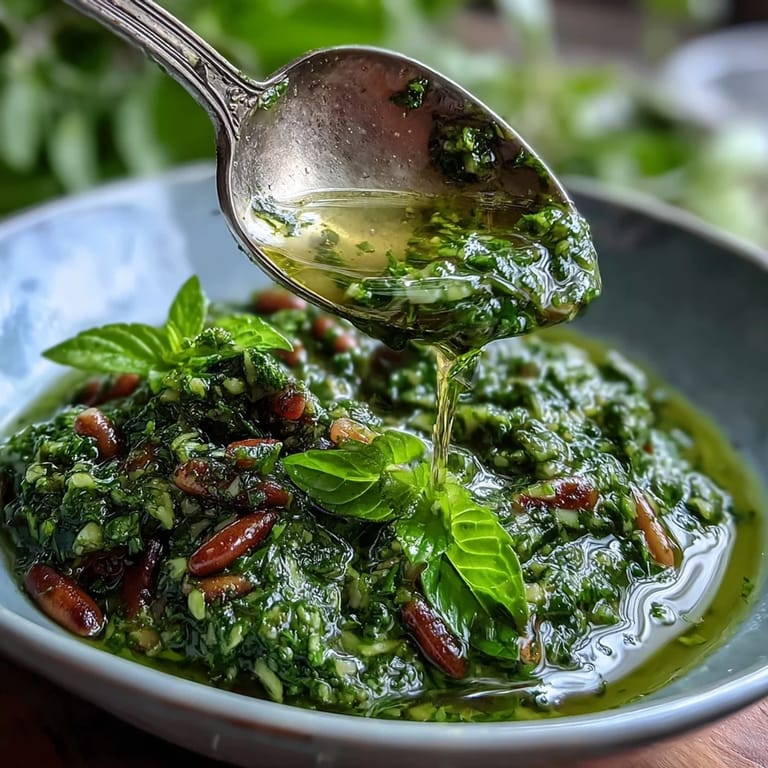
 I discovered dandelion pesto quite by accident, really. My neighbor had been complaining about the dandelions taking over her yard, and one afternoon while helping her pull weeds, she mentioned how her grandmother used to cook with them. That comment stuck with me, so I grabbed a handful and took them home, curious what magic an old recipe might hold. The first batch was fierce and grassy in the best way, nothing like the mellowed basil pestos I'd made a hundred times before. It felt like I'd unlocked a secret ingredient that had been growing wild the whole time.
I made this pesto for a casual dinner party last spring, serving it over warm pasta with nothing but a handful of arugula and shaved cheese. One guest asked if I'd bought it from some fancy market, and I loved being able to say it came from foraged greens and a food processor. The conversation shifted from recipes to stories about gardens and wild plants, all because of one jar of green sauce. That's when I realized this pesto does something beyond nourishing you, it invites people to be curious about where their food actually comes from.
Ingredients
- Fresh dandelion greens: Look for younger, tender leaves from a pesticide-free area, as they're milder than mature ones; if you find them at a farmers market, even better, since you'll know they've been grown intentionally for eating.
- Fresh basil: Optional, but it softens the dandelion's assertive bite and makes the pesto more approachable for first-timers.
- Pine nuts: Toasting them first brings out their buttery sweetness, which balances the greens perfectly; if pine nuts feel expensive or hard to find, walnuts or almonds work beautifully too.
- Parmesan cheese: Freshly grated is crucial because pre-grated versions contain anti-caking agents that can make the pesto grainy and separated.
- Garlic: Two cloves might seem bold, but the dandelion greens can stand up to it; start with one if you're nervous, then taste and add more.
- Extra-virgin olive oil: This is where quality matters because it's a main ingredient, not just a cooking medium; use something you actually like eating on bread.
- Lemon juice: Brightens everything and keeps the pesto from tasting flat or one-dimensional.
- Salt and pepper: These aren't afterthoughts, they're the final adjustment that makes everything pop.
Tired of Takeout? 🥡
Get 10 meals you can make faster than delivery arrives. Seriously.
One email. No spam. Unsubscribe anytime.
Instructions
- Toast the pine nuts gently:
- Listen for the moment they start to smell toasty and warm, usually around two to three minutes in a dry skillet over medium heat. This step is quick but worth hovering over, because the difference between golden and burned happens in seconds.
- Combine the main players:
- Pulse the dandelion greens, basil, garlic, cooled pine nuts, and Parmesan together in your food processor until everything is finely chopped but not yet smooth. You're building texture here, not making soup.
- Stream in the oil slowly:
- With the processor running, add the olive oil a little at a time, watching as the mixture transforms from chunky to creamy. If you dump it all in at once, the emulsion can break and you'll end up with something that separates later.
- Add brightness and taste:
- Pour in the lemon juice, season with salt and pepper, then pulse again to combine. Taste a spoonful on a piece of bread, which gives you a better sense of how it'll actually taste when you use it.
- Store or serve:
- Transfer to a clean jar and refrigerate if you're not using it right away. A thin layer of olive oil poured on top before storing helps keep it fresh and stops browning.
 Save to Pinterest
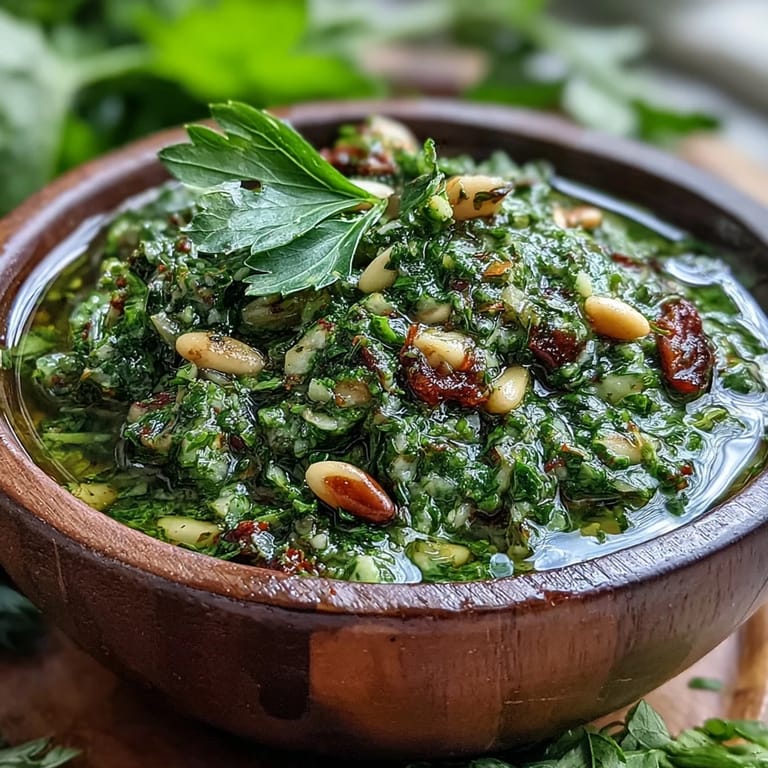
 There's something almost rebellious about making pesto from weeds, something that reminds you that nourishing food doesn't have to come from a supermarket or a fancy garden. When a friend tasted this for the first time and closed her eyes while chewing, I remembered why cooking matters so much, it's not really about the ingredients at all.
When to Use This Pesto
This pesto shines brightest on warm pasta where it can meld slightly with the heat, but it's also wonderful spread on thick toast with a fried egg, dolloped onto roasted carrots or cauliflower, or stirred into room-temperature grains like farro or quinoa. I've even mixed it into plain yogurt to make a tangy sauce for grilled fish, and it surprised me how well that worked. The slight bitterness and herbaceousness mean it pairs better with savory applications than sweet ones, so save this for dinner rather than breakfast.
Storing and Making It Last
Pesto made without heat can oxidize quickly once exposed to air, which is why storing it under a layer of olive oil really does extend its life in the refrigerator. I've kept jars for up to ten days this way, and the flavor actually deepens a little as it sits. If you want to make a bigger batch for later, you can freeze this pesto in ice cube trays, then pop the cubes into a freezer bag, which gives you easy portions for weeks of cooking.
Playing with Variations
Once you understand how this pesto works, you can start improvising with whatever greens or nuts you have on hand. Arugula brings a different kind of spice, while spinach makes it milder and more approachable for skeptics. The formula stays the same, the spirit stays the same, but the result always feels slightly different and personal.
- Mix in a handful of fresh mint or parsley if you want more herbaceous notes without extra bitterness.
- Swap the Parmesan for aged Pecorino if you like something sharper and more assertive.
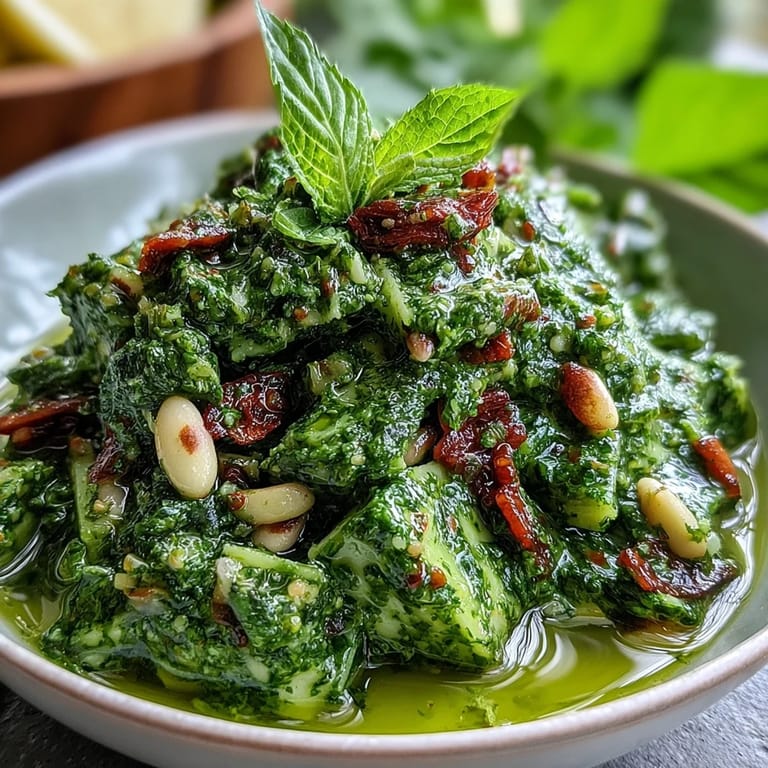
- A small handful of sun-dried tomatoes adds unexpected sweetness that balances the greens beautifully.
 Save to Pinterest
 This pesto reminds me that sometimes the best recipes come from paying attention to what's growing around you rather than what's written in a cookbook. Make it once, and you'll understand why your neighbor's grandmother kept doing it.
Common Questions
- → Can pine nuts be substituted in this pesto?
Yes, walnuts or almonds offer great alternatives to pine nuts, providing different but complementary flavors and textures.
- → What to do if dandelion greens are too bitter?
Quickly blanch the dandelion greens in boiling water, then drain and cool before use to reduce bitterness.
- → How should this pesto be stored?
Keep it refrigerated in a covered container and use within one week for optimal freshness.
- → Is there a way to make this blend dairy-free?
Omit the Parmesan cheese or substitute with nutritional yeast to maintain a savory depth while keeping it dairy-free.
- → What dishes pair well with this vibrant sauce?
It complements pastas, sandwiches, roasted vegetables, and can also serve as a flavorful dip or spread.